October 24, 2026 · by Geoff
The shirt knew who was wearing it
Two founders had two visions for the world's first biometric shirt. One metric, read off the box and the app, told us who was actually buying it. It was nobody either of them had pitched.
machine version: /machine/blog/the-shirt-knew-who-was-wearing-it.md
In August 2014 I joined OMsignal in Montreal as Director of Product. The company had built a compression shirt with sensors woven into the fabric that read your heart rate, your breathing and your movement, and sent them to a small box clipped under the arm, near the chest, and from there to your phone. I owned product across the software, the hardware and the textile, and the part I drove personally was the mobile app, from inception to release, and the adaptive training inside it: workouts that watched your biometrics in real time and changed what they asked of you to keep you in your target range. If your heart rate drifted above the zone, the workout eased off. If you were coasting, it pushed. That feature is the one the outside world ended up noticing, and I'll come back to it.
The company I walked into had three dreams, and they were all on the record before a single customer had worn the shirt for a month. The first was a technology platform. The CEO told MIT Technology Review in May 2014 that they were a technology company first and would deal with the fashion element after, and the stated target was affluent, active athletes. The second was a brand: a cool piece of kit a 20-year-old would wear to the gym, which is why the first run was men only, because the bar on fit and fashion was lower. The third was medical. There is a company video from November 2013, Meet DrOM, with a doctor explaining how the shirt could help people manage conditions, and at the same time the app deliberately hid the ECG trace so nobody could call the shirt an FDA-regulated device. One founder leaned toward the brand. The other leaned toward the clinic. The pitch deck leaned toward whichever room it was in.
The month I started, the shirt was on the ball boys at the US Open. Ralph Lauren had licensed the technology for a Polo Tech shirt, and the line from that press release, that the shirt itself is the sensor, is the best sentence anyone wrote about the product. Ralph Lauren's launch film from that day still holds up. Fast Company asked the right question the next day: a third of fitness-tracker buyers quit within six months, so would a closet of smart clothes be any stickier? We had an answer to that, and it was the only number in the company that mattered.
What wear time said
The core business metric was wear time. The box knew when it was clipped to a shirt that was on a body, and the app knew when the box was talking to it, so we could see, per customer, how many hours a week the shirt was actually worn. Not bought. Not opened. Worn. Over my year there total wear time grew 300%, and the way it grew is the whole story, because it did not grow where either founder expected.
The 20-year-olds were a hard miss. They bought the shirt, wore it to the gym once or twice, and it went in the corner with the other things they had bought to become someone. Nobody in their 20s wants to wear a brand to the gym that nobody has heard of, and a $200 kit from an unknown Montreal startup is exactly that. Their wear time went to zero inside a month, and it never came back.
Then there was the customer we started calling Late Life Larry. He was well past retirement, with a pre-existing heart condition, and he wore the shirt 24 hours a day. He wore it to bed. He wore it on the days his doctor changed his medication so there would be a trace of what it did to him, and he wore it on the nights he couldn't sleep so he'd have something to show at the next appointment. Among our heaviest users, people like Larry were over 70% of the wear time. He wasn't the gym icon and he wasn't the fashion brand. He was a sick old man who wanted better data for his doctor, and the box found him before anyone in the building had imagined him. You could see it land on one of the founders when the chart went up on the screen. It was a blow to the hopes that founder had carried into the company.
The other customer was Middle Aged Mike. Forty to sixty, had let himself go, had decided to get back into the gym and had specific goals: feel better, drop the weight, play better golf or tennis on the weekend. He had read about the quantified self and he wanted the numbers to be the thing that got him off the couch. He wasn't cool either, and he was never going to make the brand cool. But he wore the shirt, he came back, and he was the person the adaptive training was built for, because what he needed was not data but a workout that knew when to push and when to stop. The company said this part out loud itself, in April 2015: the heaviest users were not the hardcore athletes but people getting back into shape, aged 30 to 45. I'd put the top of that range higher than they did, but we were looking at the same chart.
The Polo deal
Mike is where judgement came in. One founder wanted to build the brand that Mike would wear. But a brand nobody had heard of was exactly what the 20-year-olds had just thrown in the corner, and Mike already had a brand he wore on the weekend. He played golf and tennis in it. So instead of building a label from zero we put the technology inside the one that already owned his closet. Ralph Lauren put it on sale in August 2015 at $295, and the headline feature of the launch was the adaptive workout app. I was on set when the Polo workouts were filmed: a black studio, a rack of kettlebells, a medicine ball and one very patient trainer in the shirt, with the biometric overlay on the monitors behind the cameras.
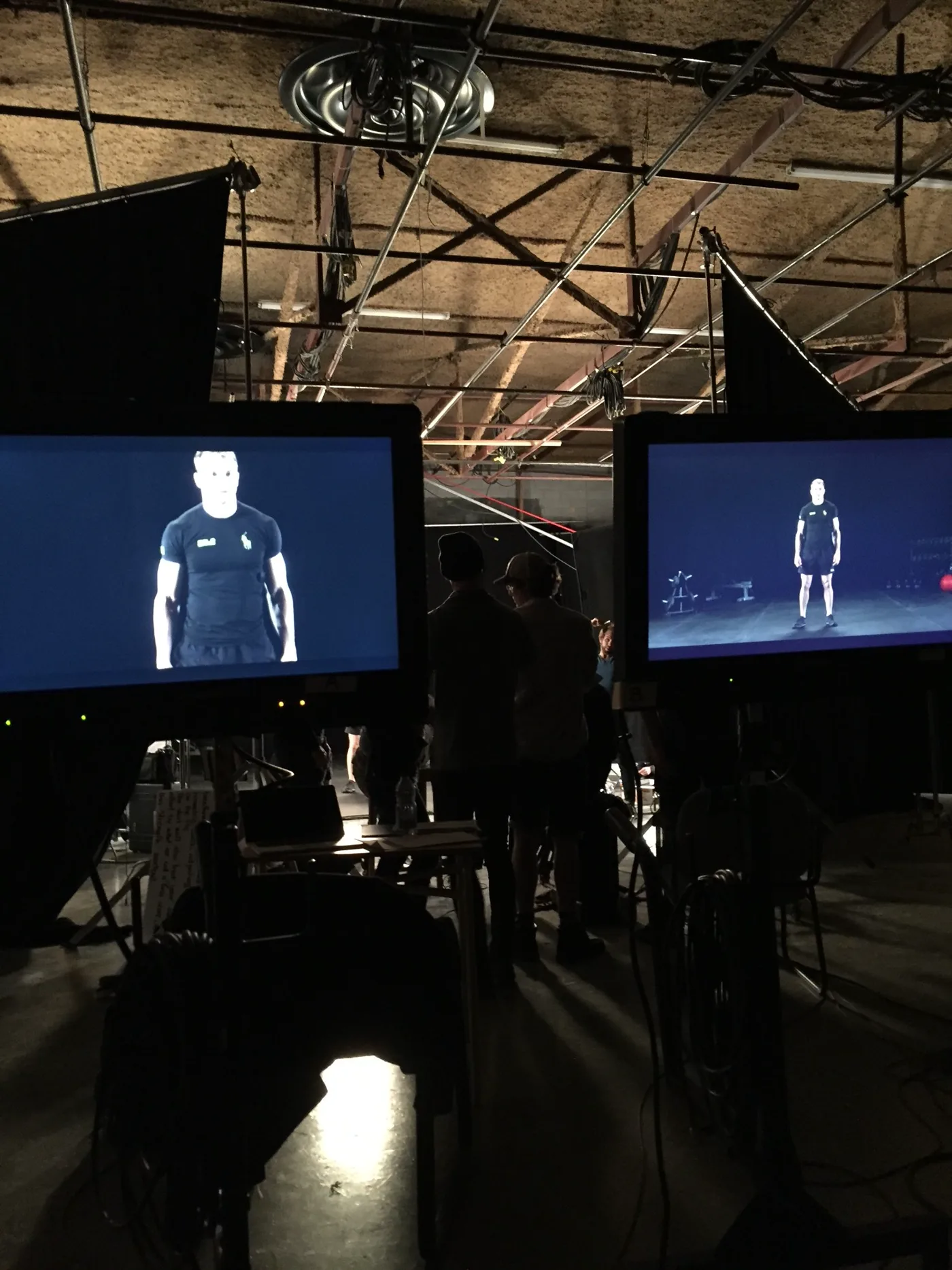
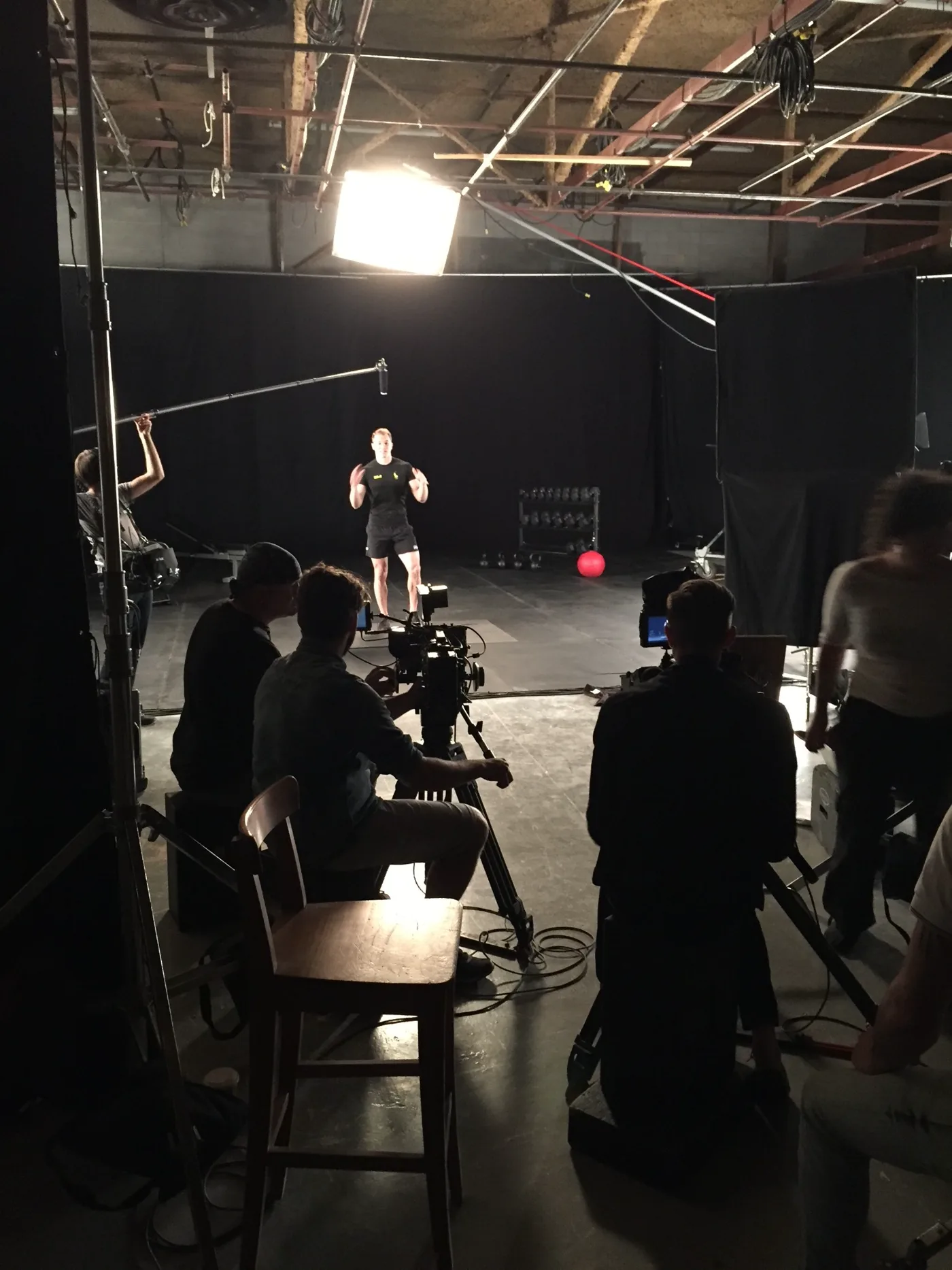
The room is the point: that is a fashion house spending a day of studio time on a workout, because the workout was what Mike wanted. David Lauren said at the US Open that fashion brands were better placed than tech companies to make wearables. I think he was exactly right, and I think it stung in Montreal because it meant the brand dream was over. When Engadget finally reviewed the shirt in 2016 they called it a great fitness shirt that also happened to be smart, singled out the adaptive workouts as the best thing about it, and said there was too much data. Both halves of that review are correct, and both are Mike talking.
Why the other two doors were shut
The medical door looked like the obvious answer to Larry, and it wasn't. To call the shirt a medical device you have to hold an accuracy bar, every day, on every unit, on every body, and a garment can't hold it. The fabric stretches, the contacts dry out, the box slides, the signal is beautiful one minute and noise the next. We could not maintain accuracy at a level that would survive a regulator or a cardiologist. So Larry was buying a wellness product and using it as a medical one, and the kindest thing we could do was make the trace exportable and stay out of the way. Hiding the ECG was the only position that let Larry keep wearing the shirt.
The brand door was shut by wear time. You cannot build a cool brand on a product the cool customer wears twice. Period.
What I took from that year is that taste is not having a strong vision. Taste is being willing to look at who is actually wearing the thing and advocating for them, in a room where the people who sign your cheques had someone else in mind. The box didn't care about the pitch deck. The PM's job was to carry what the box said into the room, early and plainly, and then map it onto something practical that could ship: a workout for Mike, a partner who already owned Mike's wardrobe, an exportable trace for Larry. That's a reading of the instrument, not a vote against the founders.
The counterarguments
One of the counter arguments to be made is that the founders were right and just early. The company's own line by 2016 was clothing first, health device second, and in January 2018 it pivoted the whole business to healthcare: arrhythmia, sleep apnea, medication effects, with a comparison study against a Holter monitor at the Quebec Heart and Lung Institute. That's Larry. The customer the box found in 2014 became the company strategy in 2018. Where I get tripped up is the date. It took four years and most of $24 million to arrive at the person who was already wearing the shirt 24 hours a day, and the company filed for bankruptcy in January 2019, a year into the pivot. Being right late is a kind of being wrong, and the box had the answer in month three.
The other counterargument is that a PM reading a dashboard is not taste, it's arithmetic. Fair. Reading the number is arithmetic. Knowing that Mike's number meant a Polo deal and Larry's number meant an exportable trace rather than an FDA filing, and saying both in a room that wanted to hear about a brand, is the part I'd call judgement.
What to watch
If you're the PM at a company with a founder who has a vision and a product that has customers, you have one job before any other: find your wear time. Every product has a metric that means the thing is actually in use rather than bought, and every founder has a persona that metric will eventually contradict. Instrument it before launch. Read it at a cadence nobody can argue with. And when it draws someone nobody pitched, say who it is out loud, with a name, so the room has to picture him.
Ours was a sick old man who wore a compression shirt to bed. He was the best customer we ever had.